


Bringing a new pet into your home is very exciting but where do you start? Read our advice on how to create a pet-friendly home that works for everyone in
26th January 2026
The trend of keeping cats indoors is indeed growing, particularly in urban areas, due to increased concerns about safety and the impact of cats on wildlife. Urbanisation, with its associated dangers like busy roads and interactions with other animals, is a major driver of this shift. While some owners worry about their cats hunting other animals or running away, others prioritise the perceived safety of indoor living.
Why are the number of indoor cats rising?
The number of cats that always stay indoors has risen from 36% in 2024 to 38% in 2025 according to a recent report from Cats Protection. The percentage is higher for those in rented accommodation, in central urban areas and for first time owners especially with pedigree cats.
Owners surveyed reported that the top reasons why they kept their cat indoors included concern that they would be hit by a vehicle, going missing, being injured by people or other animals and getting stolen.
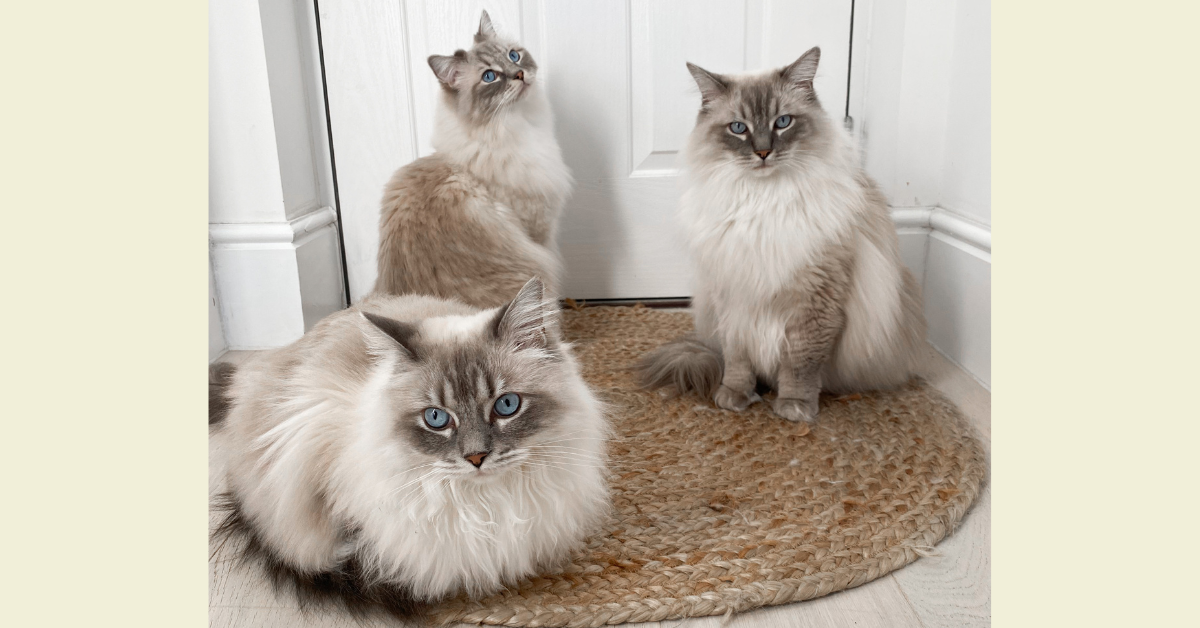
The report also showed a rise in younger people purchasing pedigree kittens and the number of cats living in central urban areas or rented accommodation.
What needs should be considered when caring for an indoor cat?
Caring for an indoor cat involves addressing several key physical, emotional, and safety needs.
Physical Needs
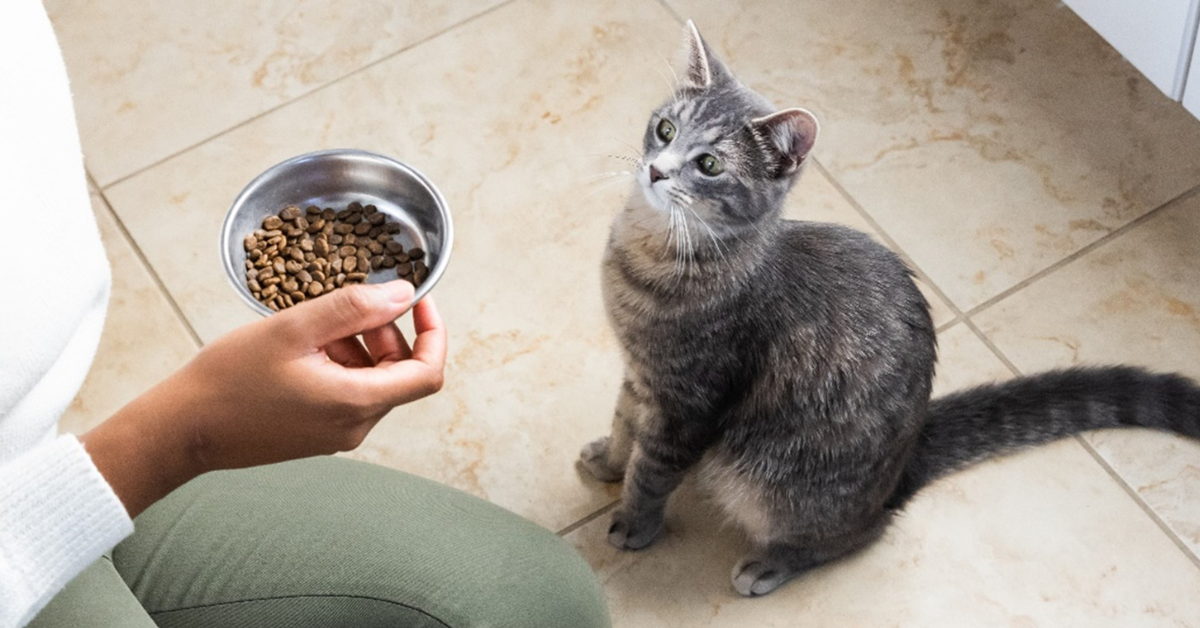
- Nutrition: Provide a high-quality, balanced diet appropriate for the cat’s age, weight, and health condition. Ensure constant access to fresh, clean water, using bowls, fountains, or multiple water stations.
- Hygiene: Keep the litter box clean by scooping it daily and performing a full litter as per the manufacturers guidance. The box should be placed in a quiet, accessible location. Regular grooming (brushing) is also important to manage shedding and prevent hairballs, especially for long-haired breeds.
- Veterinary Care: Schedule annual check-ups and vaccinations with a veterinarian. This allows for preventative care, necessary screenings, and immediate treatment of any issues.
- Exercise: Indoor cats need regular opportunities for physical activity to maintain a healthy weight and muscle tone. Use toys, scratching posts, and play sessions to encourage movement.
Emotional & Mental Needs
- Companionship: Cats thrive on interaction with their owners. Spend time playing, petting, and talking with your cat daily.
- Environmental Enrichment: A stimulating environment prevents boredom and stress. This can include:
- Scratching Posts/Pads: Essential for claw health and marking territory.
- Vertical Space: Cat trees, shelves, and window perches allow cats to climb and observe their surroundings.
- Toys: Rotate various toys (e.g., puzzle feeders, feather wands, balls) to keep them mentally engaged.
- Safe Spaces: Cats need quiet areas where they can retreat and rest undisturbed, such as a cosy bed or a specific room.
Safety Needs
- Hazard Proofing: Ensure your home is safe by considering securing screens on windows, removing any toxic plants, and storing hazardous household chemicals safely.
- Identification: Even for indoor cats, a microchip is crucial in case they accidentally escape.
What is the best food for an indoor cat?
Diet is an essential part of keeping an indoor cat healthy. As they tend to be less active than outdoor cats, they may require fewer calories to maintain a healthy weight. Overfeeding can lead to obesity, which is a common issue for indoor cats. It’s vital to select a high-quality, balanced diet designed for indoor cats to help manage their weight and nutritional needs.
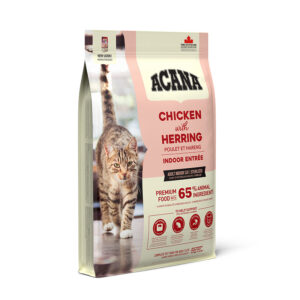
ACANA Cat food offers premium, protein-rich options for indoor cats. ACANA Indoor Entrée Cat Food is formulated to meet the specific needs of less active indoor cats. Crafted with 65%* quality animal ingredients including fresh chicken, raw turkey and raw whole herring, this nutrient-dense recipe helps support key health benefits for your indoor cat, including weight management, hairball control, and digestive health.
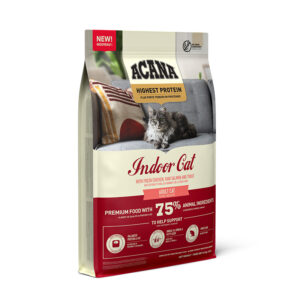
For a grain-free option, consider ACANA™ Highest Protein1 Indoor Cat. Made with fresh chicken, raw salmon, and trout, this recipe features 75%* animal ingredients to satisfy your cat’s protein needs. It supports healthy weight, hairball control, and a shiny coat with Omega-3 and Omega-6 fatty acids.
How to tell if your cat is overweight?
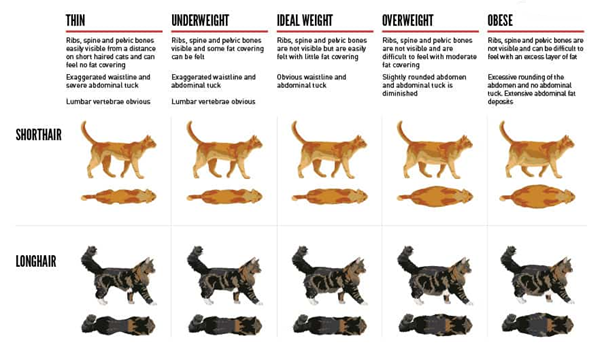
Overweight indoor cats are more common due to excess food and a lack of exercise, leading to serious health risks like diabetes, arthritis, and heart disease. It is important to regularly monitor the body condition of your cat and make adjustments to their diet as necessary, ensuring you are following feeding guidelines for the recommended daily amount.
Our body condition chart can guide you. This is only a guideline as individual cats carry weight differently.
If you would like to discuss your overweight cat’s diet further or would like any more information about suitable recipes for your indoor cat, you can contact our nutrition team at CustomerCare@BernPetFoods.co.uk.